
Stepping Back as Leadership


I’ve been thinking a lot about leadership lately – specifically, how to be better myself.

Here’s what I’ve learned: great leadership isn’t about being indispensable. It’s about building systems, people, and confidence so the organization runs smoothly without you. If everything falls apart when you step away, that’s not leadership – that’s dependency.

The older I get, the more I value leaders who know when to guide and when to step aside. This isn’t disengagement. It’s trust. It’s the quiet confidence of saying, “You’ve got this.”

Some of my most important lessons came from failure – because I was allowed to fail. I’m grateful to the mentors who understood that growth requires room to stumble. I’ve watched salespeople blow meetings, fighting every instinct not to step in. (These were calculated risks – not deals that would sink the company or damage its reputation.) Afterwards, we’d debrief: What went wrong? What would you do differently next time?

One moment shaped me more than most. After losing a significant sale, I told my VP of Sales I assumed I’d be fired, or at the very least I would get reamed. His reply? “Why would I fire you? I just spent $10,000 training you.”
What he was really saying was simple – and powerful: I believe in you. Learn from this. Grow.

And I did.

What 40+ Years in Media and Communications Has Taught Me

Spend enough time in media and communications and a few truths become impossible to ignore. Trends come and go. What’s “hot” today is forgotten tomorrow. Everyone has an opinion about what gets attention.
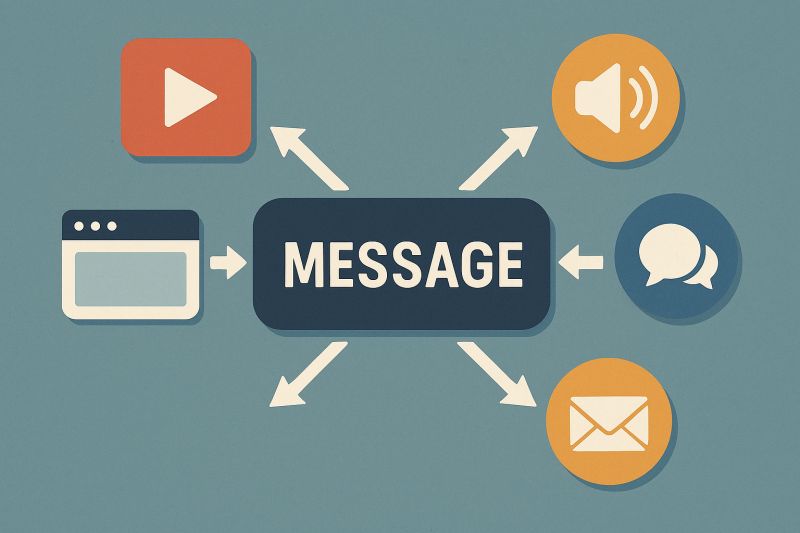
But after more than four decades in this business, one thing consistently separates success from noise – and it’s not your staff, your product selection, your parking, or even your price. It’s not whether you use radio, TV, social media, print, posters, or banners towed behind airplanes.

It’s your message.

Here’s the reality: all media works. Radio works. Social works. Newspapers work. TV works – when the message is right. The channel doesn’t fail the business; weak messaging does.

Yes, catchy jingles, clever copy, and great creative help. But strong results come from answering a few fundamental questions before you spend a dollar:
·       Is this about you or your audience?
·       What problem are you actually solving for them?
·       What can you do that others can’t – or won’t?
·       Does this speak to what truly matters to your target?
·       Are you using their language, not your own?

People don’t buy because you’re having a sale, opened a new location, or won an award. They buy because something matters to them. Winter tire customers aren’t buying rubber – they’re buying safety for their families. Luxury car buyers aren’t buying transportation – they’re buying identity and perception.

The most effective marketing doesn’t shout features. It solves problems, reflects real human motivations, and communicates with clarity and purpose.

Do that well – and then deliver on the promise – and the media choice becomes the easy part.